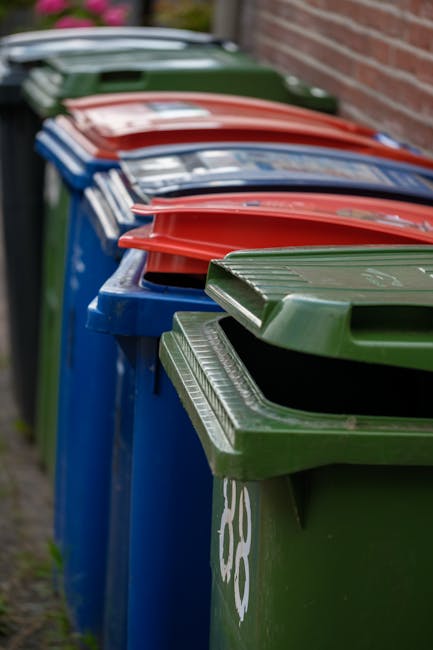
Household rubbish collection tips for Strawberry Hill residents

If you live in Strawberry Hill, you already know the rhythm of household rubbish collection can feel simple one week and oddly awkward the next. A bulky box won't fit in the bin. Food waste starts smelling before collection day. The pavement gets crowded. And suddenly you are standing in the kitchen wondering what goes where, what to keep back, and what to do with that one awkward item that does not quite belong anywhere. This guide to Household rubbish collection tips for Strawberry Hill residents is here to make that weekly admin a bit easier, with practical, local-minded advice you can actually use.
We will cover the basics of how household waste collection usually works, how to sort rubbish more efficiently, when a skip or a removal service makes sense, and how to avoid the common mistakes that lead to missed collections, overflow, or unnecessary hassle. It is all written for real homes, real routines, and the kind of clutter that builds up when life gets busy. Let's make it manageable.
Why Household rubbish collection tips for Strawberry Hill residents Matters
Household rubbish sounds like a small subject until it starts affecting your week. In a place like Strawberry Hill, where many homes juggle limited storage, narrow paths, shared access, or just too little time, waste can pile up quickly. A good system saves space, reduces smells, keeps outdoor areas tidier, and makes collection day less stressful. Simple enough, really.
There is also the practical side. When rubbish is sorted badly, bags split, bins overflow, and recyclable items are lost in general waste. That is bad for efficiency and, frankly, a bit annoying when you have just taken time to do it properly. Better sorting also helps reduce the amount you send for disposal and can support a more responsible approach to waste overall. If you are clearing out a loft, handling garden cuttings, or dealing with a household move, these habits matter even more.
For many homes, the turning point is not a major renovation or huge declutter. It is a small decision: label bins, flatten boxes, keep hazardous items separate, and stop treating every odd item like it can magically disappear in the black bag. A little structure goes a long way.
How Household rubbish collection tips for Strawberry Hill residents Works
At a basic level, household waste collection is about separating rubbish into the right streams and presenting it correctly on the correct day. That usually means keeping general waste, recycling, food waste, garden waste, and special items apart. The exact service pattern can vary by property type and local arrangements, so it is always wise to check your own collection schedule and container rules rather than relying on memory. Tuesday morning confidence is not always enough.
For the average home, the process works best when it becomes routine. You sort as you go, rather than doing a dramatic kitchen clean-up on the eve of collection day. Cardboard gets broken down. Food waste is bagged or contained. Loose packaging is rinsed if needed. Larger items are separated early so they do not end up sitting in the hallway for two weeks. It sounds basic, but that is the point: good rubbish collection habits are mostly about repetition.
When the waste is too bulky, too heavy, or simply too much for normal bins, other options come into play. That might include a domestic skip hire option, a rubbish removal service, or a flexible service such as wait and load skip hire. The right choice depends on access, volume, and how quickly you want the waste gone.
Key Benefits and Practical Advantages
Getting household rubbish collection right is not just about neatness. It creates a chain of small benefits that make home life easier. And yes, the little things matter more than people admit.
- Less mess at home: Waste is easier to store, contain, and move out of the way.
- Fewer missed collections: Proper sorting and presentation reduce avoidable problems.
- Better hygiene: Food waste and damp rubbish are less likely to attract pests or smells.
- Improved recycling: Materials that can be recovered are less likely to be thrown away by mistake.
- Lower stress during clear-outs: You are not improvising when the loft, garage, or spare room fills up.
- Safer handling: Broken glass, appliances, and awkward loads are dealt with more carefully.
There is another benefit that gets overlooked: decision clarity. Once you know where things go, you stop second-guessing every item. Is this recyclable? Does this belong with the food waste? Can this wait until next week? Those tiny questions drain energy more than people realise. A tidy waste routine gives that energy back.
Who This Is For and When It Makes Sense
This advice is useful for almost anyone in Strawberry Hill, but it is especially relevant if you are in one of these situations:
- Families with busy kitchens: Lots of packaging, food scraps, and weekly overflow.
- Households with limited bin storage: Terraces, small gardens, shared drives, and tight side access can make waste management awkward.
- People clearing a house: After a move, bereavement, or long-overdue declutter, rubbish volume rises fast.
- Garden owners: Leaves, branches, soil, and green waste are a separate headache.
- Anyone with bulky items: Old furniture, appliances, mattresses, and broken items do not fit normal collection patterns.
- Homeowners doing DIY: A bit of plaster, timber, and packaging can add up quickly.
If you are only dealing with the usual weekly bin bags, these tips will still help. If you are facing a larger clear-out, they become essential. Truth be told, once the waste starts taking over the hall, you do not need theory. You need a plan.
Step-by-Step Guidance
1. Start with a quick waste audit
Before collection day, spend ten minutes looking at what you have actually generated. You may notice a pattern: mostly packaging, lots of paper, or a surprising amount of food waste. That matters because the more you understand your own waste habits, the easier it is to prevent overflow.
2. Separate waste at the source
Keep recycling, food waste, general waste, and bulky items apart as early as possible. If all of it goes into one bag "for now", it usually stays that way. A small stack of labelled containers or caddies in the kitchen can save a lot of sorting later.
3. Flatten and compress where sensible
Cardboard boxes, crisp packets, plastic wrapping, and similar lightweight materials take up more room than they should. Flatten boxes and break down packaging so you are not wasting bin space on trapped air. It sounds almost too obvious, but it works.
4. Keep wet waste contained
Food scraps and anything damp should be bagged or stored in a leak-resistant caddy. Leaks create odours, attract pests, and make bags harder to handle. On a warm day, you will notice the difference pretty quickly.
5. Put awkward items aside early
If you spot a broken chair, old microwave, or torn mattress, do not leave it in a corner for six weeks. Set it aside with a clear plan. For larger items, services such as fridge and appliance removal or mattress and sofa disposal can be more practical than trying to wrestle them into a general collection system.
6. Decide whether your waste exceeds normal collection
If the pile is bigger than a few bags, or if you have mixed waste from a clear-out, the weekly bin service may not be the right tool. In those cases, skip hire, grab hire services, or even a man and van collection may save time and several trips.
7. Check access before you book anything
Strawberry Hill properties can vary a lot, and access matters more than people think. A narrow frontage, parked cars, or limited on-street space can affect what type of collection works best. If access is tight, a smaller skip, a wait-and-load option, or direct removal may be the cleaner choice.
8. Finish with a final sweep
Before collection, do a quick walk-through of the space. It is the last line of defence against forgotten items, loose recycling, and surprise rubbish bags hiding behind the door. You know the kind. They are always there when you are already late.
Expert Tips for Better Results
Here is where a few small habits make a real difference.
- Use clear labels: Even family members who "know the system" appreciate a label when they are half-awake with a coffee.
- Keep one spare bag area: Have a designated spot for overflow, so it does not wander around the house.
- Think in zones: Kitchen waste, bathroom waste, paperwork, and bulky items each need their own logic.
- Store dry recycling indoors if possible: Wet cardboard is harder to handle and less useful.
- Do not overfill containers: Bags that burst are the fastest way to make a tidy system fall apart.
- Plan for "unknowns": One mystery cable, an old charger, or a half-broken lamp can stall a whole clear-out if you do not deal with them early.
If you are dealing with a larger home project, think beyond the weekly bin. For example, a loft clean can reveal a wave of dust-covered boxes, old bedding, and unused furniture in one go. In that case, a service like garage and loft clearance may be more efficient than trying to piece it out over several weeks. Less faff, as they say.
Also, if you are sorting mixed household items and want to recover as much as possible, waste recycling services can help direct suitable materials into more appropriate streams. The goal is not perfection. The goal is better-than-before.
Common Mistakes to Avoid
Most rubbish collection problems come from a small set of repeat mistakes. Good news: they are avoidable.
- Mixing recyclable and general waste: It reduces recovery and creates confusion.
- Leaving food waste loose: That is how smells and spills start.
- Storing bulky items too long: One chair becomes three, then six. The room starts to lose.
- Ignoring restricted items: Some items need specialist handling, especially appliances, hazardous materials, and confidential documents.
- Booking the wrong service for the job: A small domestic collection is not the same as a large house clearance.
- Forgetting about access: If the waste vehicle cannot reach the load safely, the plan unravels.
There is a particular kind of frustration that comes from doing the sorting correctly but discovering an item cannot go with the rest. Better to spot that early. For materials that need more care, such as chemicals, paint, batteries, or similar items, use hazardous waste disposal rather than guessing. Guessing is rarely the hero here.
Tools, Resources and Recommendations
You do not need a huge kit to manage household waste well, but a few practical tools help enormously.
- Stackable bins or caddies: Useful for separating kitchen waste and recycling.
- Heavy-duty bags: Better for mixed loads or sharp-edged waste.
- Labels or colour coding: A simple way to avoid mistakes in shared households.
- Gloves: Worth having for garden waste, broken items, or old storage boxes.
- Tape measure: Handy if you are checking whether a skip, bag, or bulky item will fit a space.
For larger home projects, there are a few service options worth comparing. If you need a straightforward drop-off and fill solution, domestic skip hire can be ideal. If access is too tight for a skip to sit in place, wait and load skip hire may suit you better. If you want a fast, flexible approach with a clear collection window, same day skip hire can be helpful when time is tight.
For specialist items, the right service matters more than speed. A sofa should not be handled the same way as garden clippings. A box of paperwork is different again. For private paperwork, confidential shredding is a sensible route when you are clearing old files, bank letters, or school records. Peace of mind counts for something.
Law, Compliance, Standards, or Best Practice
Household rubbish collection in the UK sits within a broader framework of duty of care, local collection arrangements, and safe waste handling. You do not need to be a legal expert to stay on the right side of it, but you do need to be sensible about what you hand over and how you store it.
Best practice usually means:
- placing waste out in the way requested by your collection service
- separating recyclable, general, and special waste streams where possible
- not leaving hazardous items in ordinary household bins
- using licensed or reputable services for larger waste transfers
- keeping access routes clear so waste can be collected safely
If you are using a skip or larger removal service, it is also worth paying attention to site safety and the terms of use. A brief read of health and safety policy, insurance and safety, and terms and conditions is not exciting, granted, but it helps you avoid awkward surprises later. And those documents are usually much easier to understand when you are not standing next to a pile of rubble in the rain.
For a fuller look at sustainable handling, recycling and sustainability is a useful reference point when you are deciding how to manage a household clear-out responsibly. Compliance is not just about avoiding problems; it is about handling waste with a bit of care and common sense.
Options, Methods, or Comparison Table
Different waste situations call for different methods. The right choice depends on volume, access, speed, and how mixed the waste is. Here is a practical comparison.
| Option | Best for | Advantages | Watch out for |
|---|---|---|---|
| Regular household collection | Weekly mixed home waste | Simple, familiar, low effort | Limited capacity, not suitable for bulk loads |
| Domestic skip hire | Declutters, refurb work, larger household waste | Handles more volume, saves multiple trips | Needs space and sometimes permit considerations |
| Wait and load skip hire | Short-stay or tight-access properties | Useful where a skip cannot remain onsite | Requires good timing and fast loading |
| Rubbish removal | Mixed waste, furniture, household clear-outs | Hands-off and convenient | May suit some loads better than others |
| Grab hire services | Heavy, loose, or awkward waste | Efficient for bulky piles and easy access from the road | Not ideal where access is very restricted |
As a rule of thumb, the smaller the waste and the more predictable the routine, the more useful your normal collection will be. The larger, bulkier, or more time-sensitive the task, the more you should look beyond weekly bins. It is a balancing act, but not a hard one once you see the shape of the job.
Case Study or Real-World Example
Imagine a Strawberry Hill household doing a spring clear-out on a Saturday morning. The loft has three old suitcases, a cracked chair, several boxes of books, a broken fan, and a pile of cardboard from recent deliveries. There is also a bag of garden trimmings by the back gate and an old appliance that has been sitting in the utility room for months. Classic situation, really.
At first glance, the family tries to split everything between regular bins and a few spare bags. After ten minutes, the hall is full, the recycling is mixed up with general waste, and the chair still does not fit anywhere. So they take a step back, separate the waste by type, set the appliance aside for specialist removal, flatten the cardboard, and choose a service that can handle the mixed household load efficiently. Suddenly the job becomes much simpler.
That is the whole point of good rubbish collection habits. You do not need to make waste disappear by force. You just need the right system for the load in front of you. A calm plan on a Saturday morning beats a frantic one at 8 p.m. every time.
Practical Checklist
Use this before your next rubbish collection day or household clear-out:
- Have I separated general waste, recycling, food waste, and bulky items?
- Have I flattened cardboard and compressed lightweight packaging?
- Are wet or smelly items safely contained?
- Do I know which items need specialist handling?
- Is there enough space for bins, bags, or a temporary collection area?
- Have I checked whether my waste volume is too large for normal collection?
- Do I need a domestic skip, rubbish removal, or another service?
- Have I kept access routes clear for collection?
- Have I protected floors or surfaces if I am moving dirty or sharp items?
- Have I confirmed any terms, restrictions, or safety guidance before booking?
If you can tick most of those boxes, you are already ahead of the game. Honestly, that is half the battle.
Get a free quote today and see how much you can save.
Conclusion
Good household rubbish collection is not about being obsessive or turning your home into a sorting depot. It is about making waste manageable, keeping your space cleaner, and choosing the right disposal method when the ordinary routine is not enough. For Strawberry Hill residents, that often means a simple system at home, a bit of planning before collection day, and the confidence to use specialist help when the pile gets too big.
Whether you are dealing with weekly bags, a loft clean, awkward furniture, or a sudden burst of household clutter, the same principles apply: sort early, keep things separate, think about access, and avoid guessing when specialist disposal is the safer option. That is usually where the stress melts away.
If you take just one thing from this guide, let it be this: waste is easier to manage when you deal with it before it becomes a problem. Small habits, repeated calmly, really do add up.
Frequently Asked Questions
What is the best way to organise household rubbish collection at home?
The best approach is to separate waste into clear categories from the start: general waste, recycling, food waste, and bulky items. A few labelled containers or caddies make the whole process easier.
How can Strawberry Hill residents reduce rubbish overflow before collection day?
Flatten cardboard, rinse and dry recyclables where appropriate, keep food waste contained, and avoid letting small items build up in bags. A quick midweek tidy-up helps more than people expect.
What should I do with large household items that do not fit in normal bins?
Items such as sofas, mattresses, and appliances usually need a separate solution. Depending on the item and volume, a removal service or domestic skip can be the most practical route.
Is skip hire better than regular household rubbish collection?
It depends on the amount and type of waste. Regular collection is fine for weekly household rubbish, but skip hire is often better for decluttering, renovations, and bulkier waste.
Can I put mixed household waste into one skip?
Often yes, but you should always check what is accepted before booking. Some waste streams, such as hazardous items, require special handling. A quick review of what can go in a skip is well worth it.
What household items need special disposal?
Common examples include fridges, freezers, electrical appliances, paint, solvents, batteries, and confidential paperwork. These should not be treated like ordinary bagged rubbish.
How do I deal with smelly food waste in warm weather?
Keep food waste sealed, empty containers regularly, and avoid leaving damp scraps in open bags. Even a small amount of lingering waste can smell stronger than you think on a hot day.
Do I need permission for a skip outside my home?
Sometimes, depending on where the skip is placed and whether it sits on a public road or shared access. It is sensible to check permit requirements before booking.
What is the most convenient option for tight-access homes?
Wait and load skip hire or direct rubbish removal can work well where a skip cannot stay in place for long or access is restricted. The best option depends on your layout and timing.
How can I make household rubbish collection safer?
Use gloves for sharp or dirty waste, keep walkways clear, do not overfill bags, and separate broken glass or heavy items carefully. Safety tends to be boring until something goes wrong.
Are there eco-friendly ways to manage household rubbish?
Yes. Reuse what you can, recycle properly, separate waste carefully, and choose services that support responsible waste handling. Small choices at home add up over time.
When should I book professional rubbish removal instead of waiting for the next collection?
If waste is building up quickly, if you have bulky items, or if the rubbish is affecting access, smell, or safety, it is usually better to arrange professional help sooner rather than later.
In the end, sensible rubbish habits make home life feel lighter. Not glamorous, perhaps, but definitely worth it.